
In the realm of interior design exhibitions, the ability to captivate and inspire through visual storytelling is a hallmark of success. What sets a display apart from the rest lies in its strategic use of space, impactful color schemes, innovative lighting techniques Touch Concept Malaysia, attention to detail, and engaging interactive elements.
This article delves into the artistry behind creating memorable displays that leave a lasting impression, offering insights to those seeking to elevate their own design practices.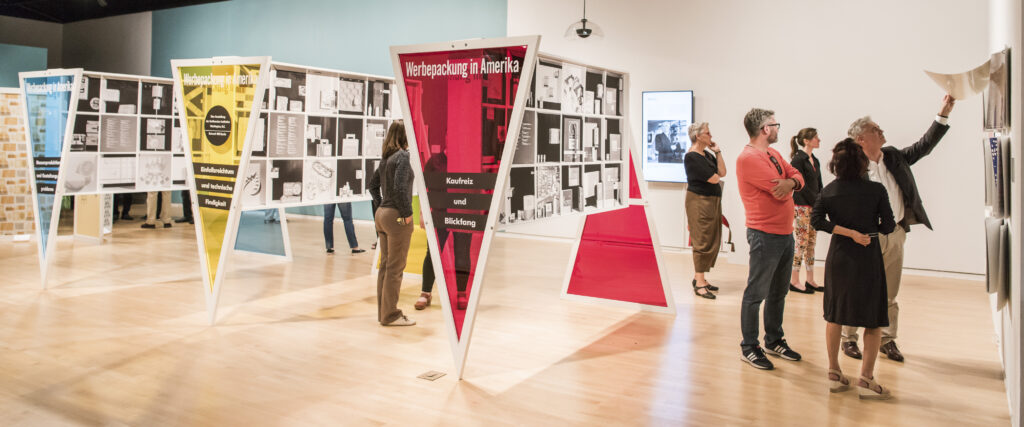
Strategic Use of Space
When approaching the strategic use of space in interior design exhibitions, designers must carefully consider how every inch contributes to the overall impact of the display. Spatial planning plays a crucial role in ensuring that the layout is not only visually appealing but also functional. Design flow is essential to guide visitors seamlessly through the exhibition, allowing them to experience the space in a deliberate and engaging manner.
Visual balance is key to creating a harmonious environment that captivates the audience. By strategically placing elements within the space, designers can achieve a sense of equilibrium that is aesthetically pleasing. Focal points are strategically placed to draw attention and create interest, guiding the viewer’s gaze throughout the exhibition.
In the realm of interior design exhibitions, the utilization of space is an art form. Every decision regarding spatial planning, design flow, visual balance, and focal points contributes to the overall success of the display. Designers who master the strategic use of space can truly make their exhibitions stand out.
Impactful Color Schemes
Strategic selection of color schemes is pivotal in creating impactful interior design exhibitions. When aiming to captivate your audience, consider incorporating bold contrasts and harmonious palettes into your displays. Bold contrasts, such as pairing deep navy blues with crisp whites or vibrant yellows with rich blacks, can create a visually striking and dynamic atmosphere that draws attention and creates a sense of drama. On the other hand, harmonious palettes, like soft pastels or earthy tones, can evoke feelings of tranquility and cohesion, ideal for creating a more serene ambiance within your exhibition space.
Innovative Lighting Techniques
The strategic selection of color schemes can be further enhanced through innovative lighting techniques, which play a crucial role in creating captivating and dynamic interior design exhibitions. By utilizing cutting-edge technology, designers can manipulate lighting to evoke different moods and highlight key elements within a space. Ambient ambiance can be achieved through the use of LED lights that can change color and intensity, allowing for a versatile and customizable atmosphere.
Innovative lighting techniques can also serve practical purposes beyond aesthetics. For instance, incorporating hidden lighting fixtures can create the illusion of more space or emphasize specific architectural features. Moreover, the strategic placement of lights can guide the flow of visitors through an exhibition, ensuring that each display is experienced in a deliberate sequence.

Attention to Detail
Enhancing interior design exhibitions through meticulous attention to detail elevates the overall presentation to a level of refinement that captivates viewers instantly. Meticulous craftsmanship plays a pivotal role in creating a lasting impact on visitors. Every element, from the choice of fabrics to the placement of furniture, requires thoughtful curation to ensure cohesiveness and harmony within the space.
Attention to detail is what sets exceptional exhibitions apart from the ordinary. It involves a keen focus on the finer points that might go unnoticed at first glance but collectively contribute to the immersive experience. Whether it’s the precise alignment of artwork on walls, the strategic positioning of lighting fixtures to enhance ambiance, or the careful selection of decorative accents, every decision matters in the grand scheme of things.
Moreover, meticulous craftsmanship extends beyond the aesthetics to encompass functionality. Every aspect of the exhibition should not only look visually appealing but also serve a purpose. This intentional approach to design showcases a deep understanding of the space and its intended use, leaving a lasting impression on attendees.
Engaging Interactive Elements
Implementing interactive elements is crucial in elevating the visitor experience at interior design exhibitions. By incorporating interactive technology, exhibitions can offer immersive experiences that engage visitors on a whole new level. From virtual reality simulations that allow guests to envision themselves in different spaces to touch-screen displays that provide detailed information about design elements, interactive elements bring a sense of dynamism and excitement to exhibitions.
Interactive technology plays a vital role in creating memorable experiences for visitors. By allowing guests to actively participate in the exhibition, whether through interactive displays or hands-on activities, exhibitions become more than just a visual feast – they become a journey of exploration and discovery. Visitors can interact with the displays, customize elements to suit their preferences, and truly immerse themselves in the world of interior design.
Conclusion
In conclusion, the success of an interior design exhibition hinges on several key factors:
- Strategic use of space
- Impactful color schemes
- Innovative lighting techniques
- Attention to detail
- Engaging interactive elements
These elements work together to create a memorable and impactful display that captures the attention of visitors and leaves a lasting impression. By carefully considering each aspect of the exhibition, designers can create a cohesive and visually stunning experience for attendees.