
When it comes to protecting your pets from pests, understanding the differences between flea and tick spray products is essential flea and tick spray. Each type targets specific issues related to these parasites, and the ingredients vary greatly. Knowing how to choose the right spray based on your pet’s needs can make all the difference. Let’s explore the key factors that will help you make an informed decision for your furry companions.

The Life Cycle of Fleas and Ticks
Understanding the life cycle of fleas and ticks is essential for effectively managing infestations in your home or on your pets.
Fleas undergo a complete metamorphosis, starting as eggs that hatch into larvae. These larvae prefer dark, humid environments, often found in carpets or pet bedding. After feeding, they pupate and emerge as adult fleas, ready for reproduction. A single female flea can lay up to 50 eggs daily https://igreenasia.com/, leading to rapid population growth.
Ticks, on the other hand, have a more straightforward life cycle that includes egg, larva, nymph, and adult stages. They thrive in wooded or grassy tick habitats, where they wait for a host to attach to. Once they latch on, they can feed for several days before dropping off to continue their life cycle.
Understanding these processes helps you take proactive steps to control flea reproduction and eliminate ticks effectively, ensuring your home remains a sanctuary.
Key Ingredients in Flea and Tick Sprays
When choosing a flea and tick spray, it’s crucial to pay attention to the key ingredients that make these products effective. The active ingredients, such as permethrin and fipronil, target adult fleas and ticks, disrupting their nervous systems and providing rapid relief.
In contrast, some sprays utilize natural alternatives like essential oils—peppermint, cedarwood, and lemon eucalyptus—which can repel pests without harsh chemicals.
You’ll find that some products combine both synthetic and natural ingredients for a balanced approach. Always check the label to verify the active ingredients align with your preferences and your pet’s needs.
Additionally, consider the safety profiles of these ingredients, especially if you have children or other pets at home. Understanding these key components empowers you to make informed choices that promote your pet’s health and freedom from pests.
How to Choose the Right Spray for Your Pet
Choosing the right flea and tick spray for your pet involves considering several factors that can impact both effectiveness and safety.
First, assess your pet’s size; some sprays are formulated specifically for small, medium, or large animals. Using the correct product guarantees maximum protection without risking your pet’s health.
Next, consider the spray frequency. Different products have varying durations of effectiveness, so you’ll want to choose one that fits your lifestyle and your pet’s needs. If you’re active outdoors with your pet, a spray that lasts longer may be beneficial.
Also, think about your pet’s sensitivities. Some animals react poorly to strong chemicals, so opting for natural or hypoallergenic options might be wise.
Ultimately, the right flea and tick spray should provide peace of mind while allowing your pet the freedom to enjoy their environment safely.
Application Methods and Safety Precautions
To guarantee the effective application of flea and tick spray, it’s crucial to follow specific methods and safety precautions.
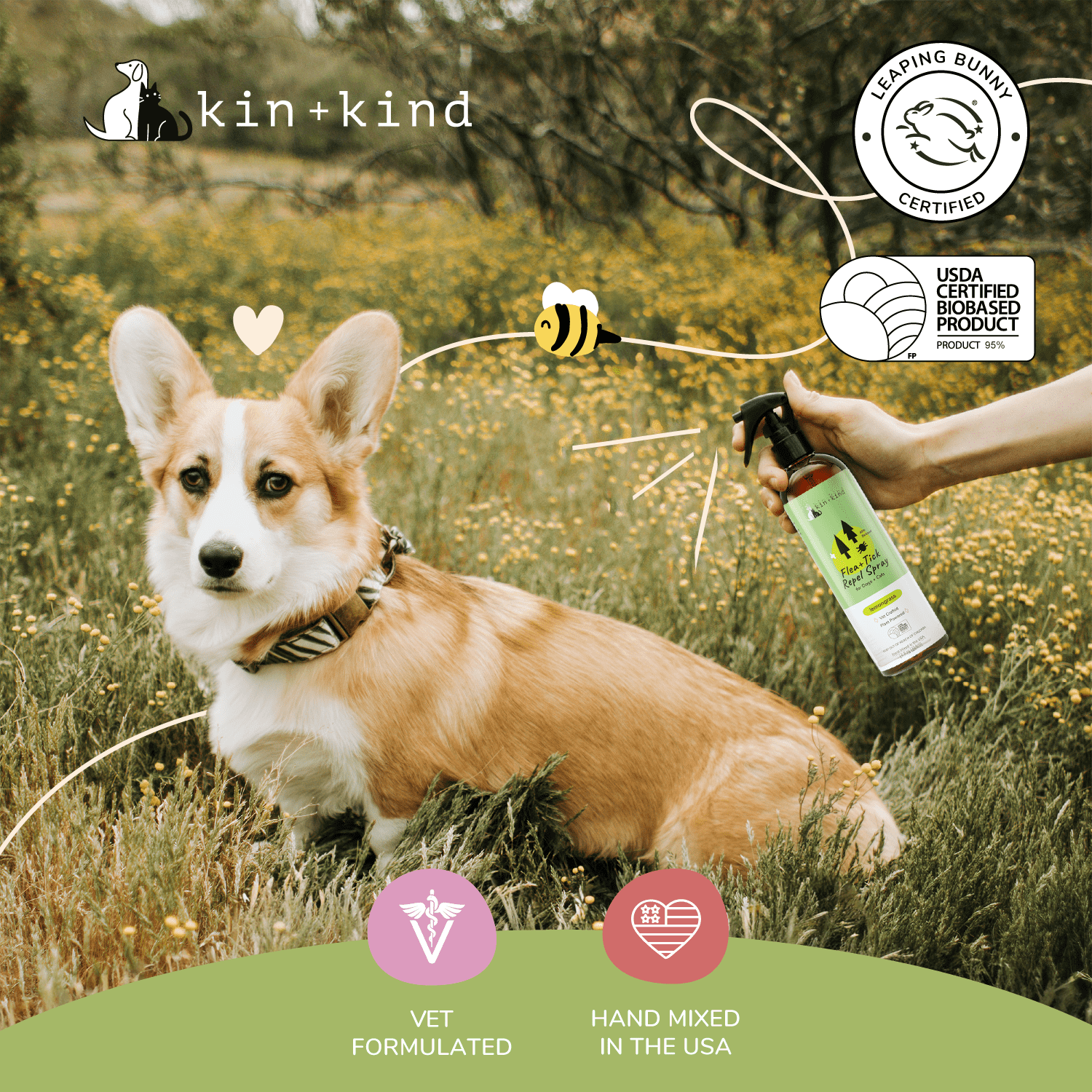
First, choose a well-ventilated area to minimize inhalation of the spray. When applying, hold the bottle at the recommended distance from your pet and use even strokes to guarantee full coverage. Avoid spraying directly on their face; instead, apply it to your hands first and then rub it onto their head.
Always read the label for specific application techniques, as different products may have unique instructions. Before use, verify your pet’s skin is clean and dry to enhance absorption.
Additionally, wear gloves and a mask if recommended, as these safety measures protect you from potential irritation. After application, wash your hands thoroughly and keep pets away from water for the specified time to allow the treatment to take effect.
Following these steps will help guarantee both your safety and the effectiveness of the spray.
Additional Preventative Measures for Fleas and Ticks
How can you effectively bolster your efforts against fleas and ticks? Incorporating additional preventative measures can make a significant difference.
Start by maintaining a clean environment; vacuum your home regularly to eliminate eggs and larvae. Wash your pet’s bedding weekly in hot water to disrupt their lifecycle. You might also consider natural remedies like diatomaceous earth, which can be sprinkled around your home to deter these pests.
Home treatments such as essential oils—like lavender and cedarwood—can provide an aromatic barrier against fleas and ticks. Just make certain you dilute them appropriately and consult your veterinarian before use.
Additionally, keeping your yard tidy by trimming grass and removing debris can create an inhospitable environment for these pests. By combining these strategies with your flea and tick spray products, you’re not just reacting to infestations; you’re taking proactive steps to safeguard your space and your pets.
Conclusion
In summary, understanding the differences between flea and tick sprays is vital for effective pest control. By recognizing their unique targets and key ingredients, you can select the right product for your pet’s specific needs. Always prioritize safety by following application instructions and considering your pet’s sensitivities. Additionally, incorporating preventative measures can enhance protection against these pests. With the right knowledge and tools, you can guarantee a healthier, pest-free environment for both your pets and family.