
Discover how ultrasonic rat repellents work to keep unwanted critters out of your space. Learn about the fascinating science behind these devices and how they affect rat behavior rat repellent sound.
Find out the frequency range that rats are sensitive to and how it disrupts their communication and nesting habits. Uncover the secrets to maximizing the effectiveness of these repellents through optimal placement strategies.
Say goodbye to pesky rodents with this innovative technology.
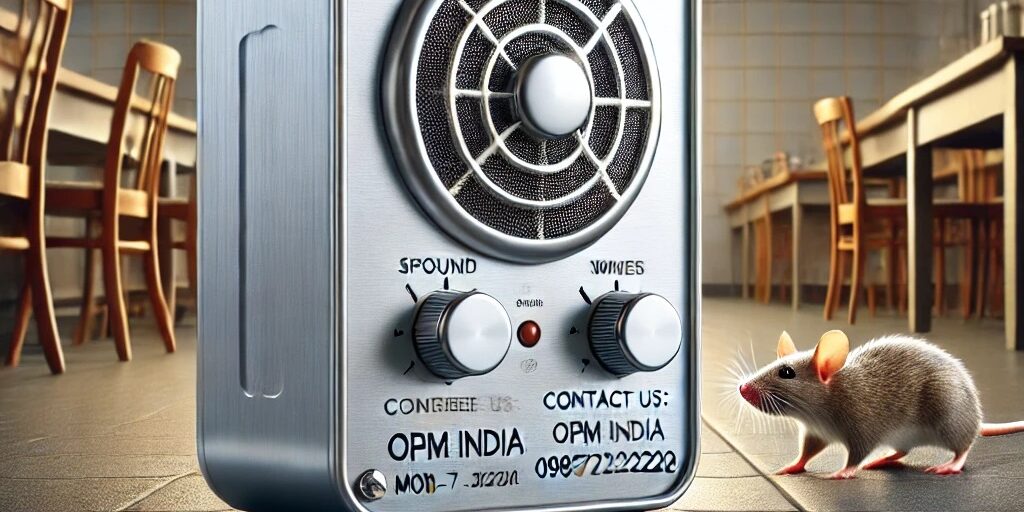
Ultrasonic Waves and Rat Behavior
In an article about ultrasonic rat repellents, you’ll learn how ultrasonic waves affect rat behavior.
When you place an ultrasonic repellent in your home https://igreenasia.com/, the device emits high-frequency sound waves that are imperceptible to humans but irritating to rodents. These waves disrupt the sensitive hearing and communication of rats, causing discomfort and disorientation.
As a result, the rats are compelled to flee the area to seek a more peaceful environment, away from the unpleasant noise. This method of pest control is non-toxic and doesn’t harm the rats physically, aligning with your desire for a humane approach to dealing with infestations.
Frequency Range and Rat Sensitivity
Continuing from how ultrasonic waves disrupt rat behavior, as you delve into the frequency range and rat sensitivity, you’ll uncover the crucial relationship between high-frequency sound waves and rodent perception. Rats have remarkable hearing capabilities, especially in the ultrasonic range. These rodents can detect frequencies up to 90 kHz, far beyond what humans can perceive. This heightened sensitivity to high-pitched sounds serves as a key factor in the effectiveness of ultrasonic rat repellents.
When ultrasonic devices emit frequencies above 20 kHz, they fall within the range that disturbs rodents, causing discomfort and confusion. As you consider deploying these devices, it’s essential to recognize that not all frequencies are equally effective. Rats exhibit varying levels of sensitivity to different ultrasonic frequencies, making it crucial to select a repellent that targets their specific range of hearing. By understanding the relationship between frequency range and rat sensitivity, you can optimize the efficiency of ultrasonic rat repellents in deterring these unwanted pests.
Impact on Rat Communication and Nesting
As you delve deeper into the impact of ultrasonic rat repellents on rat communication and nesting, consider how these devices disrupt rodent behavior and living patterns. Ultrasonic rat repellents emit high-frequency sound waves that are beyond human hearing range but can affect rodents. These devices interfere with rats’ ability to communicate through ultrasonic vocalizations, disrupting their social interactions and hierarchy within the colony. Without proper communication, rats may become disoriented, leading to a breakdown in their nesting behaviors.
Rats rely heavily on their communication skills to navigate their environment and coordinate activities within their nests. When exposed to ultrasonic repellents, rats may experience heightened stress levels, affecting their nesting habits. This disruption can lead to rats abandoning their current nests in search of a safer, more peaceful environment.
In essence, the use of ultrasonic rat repellents can significantly impact rat communication and nesting behaviors, potentially driving rodents away from their established nests in an attempt to escape the discomfort caused by these devices.

Coverage Area and Repellent Effectiveness
Consider the range and efficacy of ultrasonic rat repellents in deterring rodents from nesting areas. When selecting a repellent, ensure it covers the entire area you want to protect. Keep in mind that ultrasonic waves can be blocked by objects, so choose a device with sufficient power for the space.
Placement is key; aim for a central location at a height where the waves can travel unobstructed. Remember, these devices work best in enclosed spaces where sound waves can bounce off walls.
For maximum effectiveness, combine ultrasonic repellents with other pest control methods like sealing entry points and proper sanitation. Regularly check and maintain the devices to guarantee continuous protection.
Considerations for Optimal Placement
To maximize the efficiency of ultrasonic rat repellents, ensure you place the devices strategically at heights where unobstructed travel of sound waves is achievable. Rats are agile creatures that can easily navigate around obstacles, so it’s crucial to position the repellents in areas where the ultrasonic waves can travel freely and cover the intended space. Avoid placing the devices behind furniture, curtains, or other objects that could block or absorb the sound waves, as this can diminish the repellent’s effectiveness.
Consider installing the ultrasonic rat repellents at a height of around 8-12 inches above the ground, as this is where rats are most likely to travel. Additionally, aim to position the devices in areas where rats are known to frequent, such as near entry points, dark corners, or areas with signs of rodent activity. By strategically placing the ultrasonic repellents in these locations, you can create a barrier that deters rats from entering your space without causing them harm.
Conclusion
In conclusion, ultrasonic rat repellents use high-frequency sound waves to deter rats from entering your home. These devices work by disrupting rat communication and nesting behaviors, ultimately driving them away.
By understanding the science behind these repellents, you can effectively keep rats at bay and maintain a rodent-free environment in your living space. Remember to consider factors like frequency range, coverage area, and optimal placement for maximum effectiveness.